

-
Eyamin Hossain
- October 13, 2025
- 3 Comments
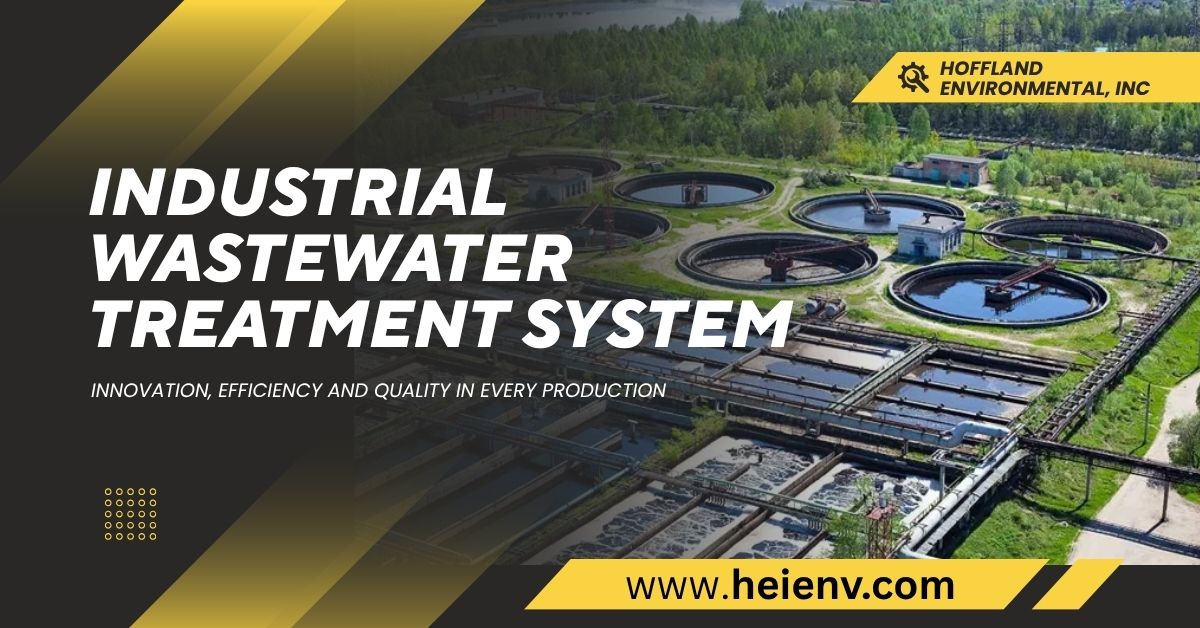
Industrial water treatment solutions are essential for every manufacturing facility. Whether you operate a chemical plant, food processing facility, or automotive factory, the water used in your operations becomes contaminated with pollutants that cannot simply be discharged. These systems not only help you comply with environmental regulations but also protect local ecosystems, conserve water, and improve operational efficiency.
This guide explains how industrial wastewater systems function, their components, treatment stages, and advanced technologies. It also covers best practices for selecting, maintaining, and optimizing these systems for long-term performance.
What Are Industrial Wastewater Treatment Systems?
Wastewater treatment technology is engineered to remove contaminants from water used in manufacturing and industrial processes. Unlike municipal wastewater systems, which handle sewage from homes and businesses, industrial setups must manage a much more complex array of pollutants.
Your facility’s wastewater might contain heavy metals, oils, greases, suspended solids, organic compounds, or chemical residues. Each of these requires specialized treatment methods, which is why custom wastewater systems are typically designed for each facility’s unique needs.
The objective is straightforward: convert contaminated water into effluent that meets environmental regulations and can be safely discharged or reused within operations.
Why Your Facility Needs Industrial Water Treatment Solutions
Before diving into how these systems work, let’s address why they’re non-negotiable for modern manufacturing:
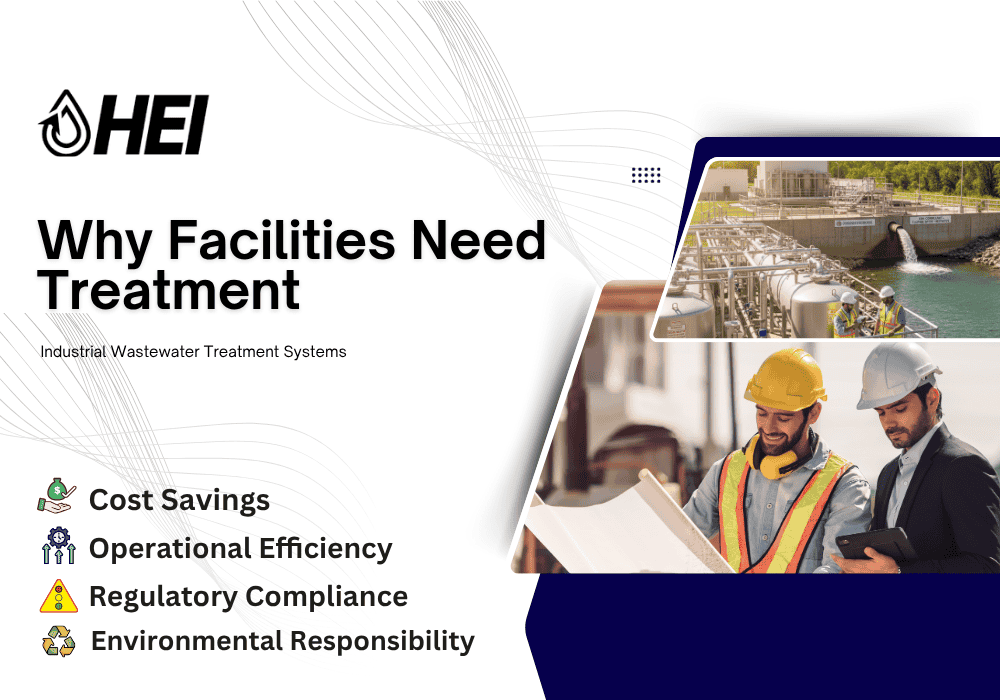
- Regulatory Compliance: The EPA and local environmental agencies enforce strict discharge limits. Violating these standards can result in hefty fines, operational shutdowns, and serious damage to your company’s reputation.
- Environmental Responsibility: Untreated industrial wastewater can devastate local ecosystems, contaminate drinking water sources, and harm wildlife. Proper treatment protects the communities where your facility operates.
- Cost Savings: While wastewater treatment systems require upfront investment, they often reduce long-term costs through water reuse, lower discharge fees, and avoided penalties.
- Operational Efficiency: Modern systems can recover valuable materials from wastewater, turning a waste management challenge into a resource recovery opportunity.
Core Components of Wastewater Systems
Advanced wastewater systems consist of several integrated components working together. Understanding these building blocks helps you appreciate the complexity and sophistication of modern treatment solutions.
Collection and Equalization Tanks
The treatment process begins with collection. Wastewater from various production areas flows into collection tanks where it’s temporarily stored. Equalization tanks serve a crucial function; they balance out fluctuations in flow rate and contamination levels.
Why does this matter? Industrial processes don’t generate wastewater at a constant rate. You might have high-volume discharge during peak production and minimal flow during downtime. Equalization ensures the treatment system receives a steady, manageable stream of wastewater with consistent characteristics.
Screening and Filtration Equipment
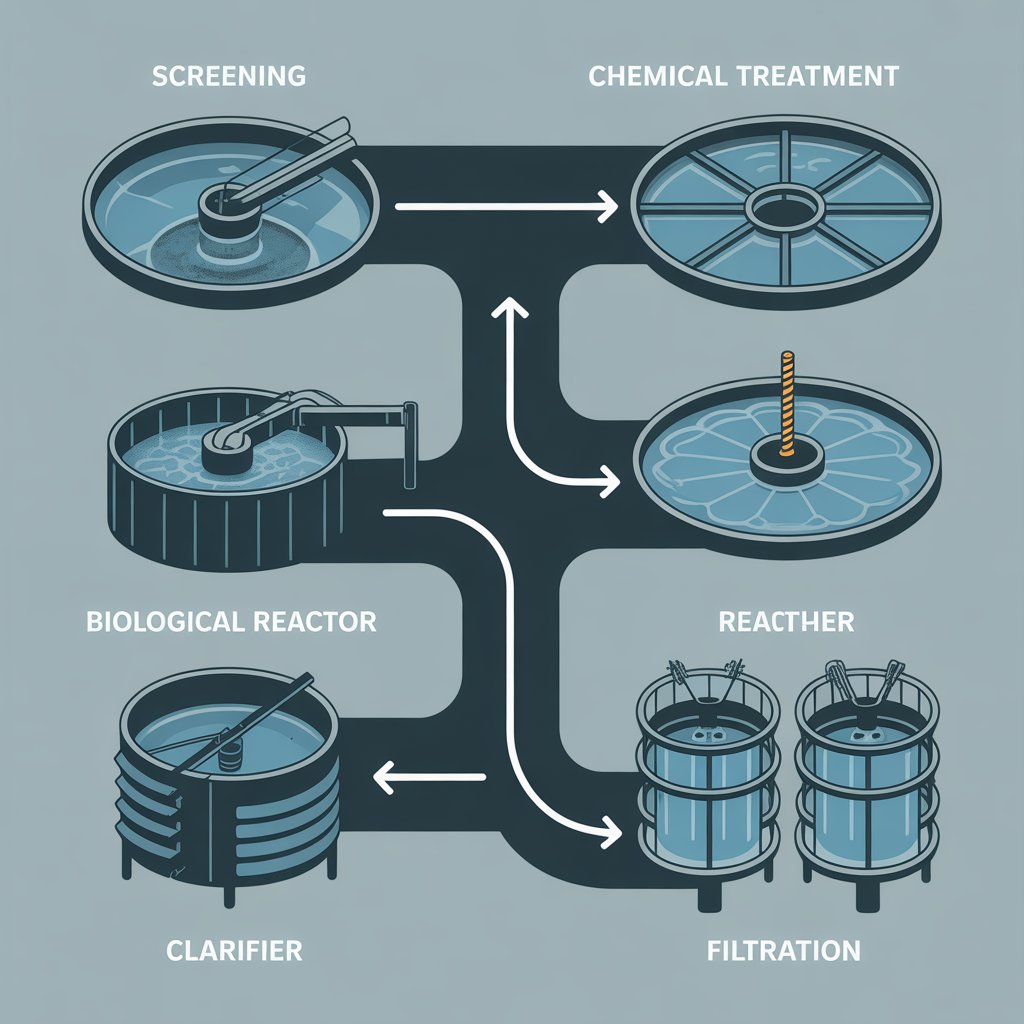
Next comes the removal of large solids and debris. Bar screens, mesh filters, and grit chambers catch everything from rags and plastics to sand and metal shavings. This preliminary treatment protects downstream equipment from damage and clogging.
Chemical Treatment Systems
Many water treatment systems rely on chemical processes to neutralize acids or bases, precipitate heavy metals, or break down complex organic compounds. Chemical feed systems precisely dose treatment agents while mixing equipment ensures thorough contact between chemicals and wastewater.
Biological Treatment Units
When organic pollutants are the primary concern, biological treatment harnesses microorganisms to consume contaminants. These systems create the perfect environment for bacteria to thrive and metabolize organic waste, essentially letting nature do the heavy lifting.
Clarifiers and Sedimentation Tanks
After chemical or biological treatment, clarifiers allow treated solids to settle out of the water. These large tanks use gravity to separate solid particles from liquid, producing clearer effluent and concentrated sludge for further processing.
Advanced Filtration Systems
For facilities requiring high-purity discharge or water reuse, advanced filtration technologies like membrane filters, activated carbon systems, or multimedia filters provide that extra level of treatment.
How Wastewater Treatment Systems Work: Step-by-Step
Now let’s walk through a typical treatment sequence. Keep in mind that wastewater treatment is customized, so your facility’s exact process may vary based on your specific contaminants and discharge requirements.
Stage 1: Preliminary Treatment
Wastewater enters the system through the collection network. Large debris, floating materials, and grit are removed through screens and grit chambers. This protects pumps and equipment while removing materials that could interfere with later treatment stages.
The water then flows into equalization tanks, where pumps and mixers maintain consistency. pH sensors and flow meters continuously monitor conditions, feeding data to control systems that adjust operations in real-time.
Stage 2: Primary Treatment
Primary treatment focuses on removing suspended solids and adjustable parameters like pH. Chemical coagulants are added to cause small particles to clump together into larger “flocs” that settle more easily.
The water then enters primary clarifiers, where these flocs settle to the bottom as sludge while oils and greases float to the surface for skimming. This stage can remove 50-70% of suspended solids and significantly reduce biochemical oxygen demand (BOD).
Stage 3: Secondary Treatment
For facilities with organic contamination, secondary treatment employs biological processes. The most common approach uses activated sludge systems, where wastewater is mixed with a carefully maintained population of microorganisms.
These bacteria consume organic pollutants as food, breaking them down into carbon dioxide, water, and additional bacterial biomass. Aeration systems supply the oxygen these microbes need to thrive. After biological treatment, the water flows to secondary clarifiers where the bacterial biomass separates from the treated water.
Stage 4: Tertiary Treatment
When your discharge requirements demand exceptional water quality, tertiary treatment provides advanced polishing. This might include:
- Membrane filtration: Ultra-fine filters remove microscopic particles, bacteria, and even some dissolved substances
- Activated carbon adsorption: Carbon filters capture dissolved organic compounds and remove colors and odors
- Ion exchange: Specialized resins remove specific ions like heavy metals or nitrates
- Disinfection: UV light or chemical disinfectants eliminate any remaining pathogens
Stage 5: Sludge Handling
Throughout the treatment process, industrial wastewater systems generate sludge, the concentrated solids removed from the water. This sludge requires its own handling process, typically involving thickening, dewatering, and disposal or beneficial reuse.
Belt filter presses, centrifuges, or plate-and-frame presses squeeze water from the sludge, dramatically reducing its volume. The resulting “cake” can often be disposed of more cost-effectively or even processed for resource recovery.
Advanced Technologies in Modern Water Treatment Solutions
Wastewater treatment systems incorporate cutting-edge technologies that improve performance and reduce costs:
Reverse Osmosis (RO) Systems
Reverse Osmosis systems use high-pressure membranes to remove dissolved solids, salts, and chemical contaminants from industrial wastewater. Unlike conventional filtration, RO works at the molecular level, producing high-quality water suitable for discharge or industrial reuse, such as boiler feedwater and cooling systems. These systems are compact, energy-efficient, and often include automated controls to maintain consistent performance. RO enables industries to conserve freshwater, meet strict regulatory standards, and reuse treated water safely within processes.
Zero Liquid Discharge (ZLD) Systems
For facilities in water-scarce regions or those wanting to eliminate all discharge, ZLD systems evaporate water for reuse while concentrating contaminants into solid waste. Though energy-intensive, ZLD systems offer complete water recycling.
Smart Monitoring and Control
Modern industrial wastewater systems feature sophisticated SCADA (Supervisory Control and Data Acquisition) systems that continuously monitor dozens of parameters. These systems automatically adjust chemical dosing, aeration rates, and flow patterns to optimize performance while reducing chemical and energy consumption.
Dissolved Air Flotation (DAF) Systems
DAF systems remove suspended solids, oils, and greases from industrial wastewater by introducing microbubbles that lift contaminants to the surface for removal. They are ideal for wastewater with high oil, fat, or fine solid content and are used in industries like food processing, chemicals, and petrochemicals. Modern DAF units often include automated controls and coagulant dosing to improve efficiency. This technology produces high-quality effluent suitable for reuse and helps industries meet environmental regulations.
Resource Recovery Technologies
Forward-thinking facilities now view wastewater treatment as resource recovery. Advanced systems can extract valuable metals, recover nutrients like phosphorus, or generate biogas from organic waste, transforming cost centers into revenue streams.
Choosing the Right Industrial Water Management System
Not all wastewater treatment systems are created equal. The right solution depends on several factors:
- Your Wastewater Characteristics: What contaminants are present? At what concentrations? How variable is your wastewater composition?
- Discharge Requirements: Are you discharging to a municipal sewer, surface water, or pursuing zero discharge? Each scenario has different regulatory requirements.
- Flow Rates: How much wastewater do you generate? Daily volumes and peak flow rates determine system sizing.
- Available Space: Conventional systems require significant footprints, but compact technologies can work in space-constrained facilities.
- Budget Considerations: Both capital costs and ongoing operating expenses (energy, chemicals, labor, maintenance) factor into the total cost of ownership.
- Future Flexibility: Will your processes change? Good water treatment systems accommodate future production modifications.
Maintaining Your Water Treatment Systems
Even the best-designed system requires proper maintenance to perform reliably:
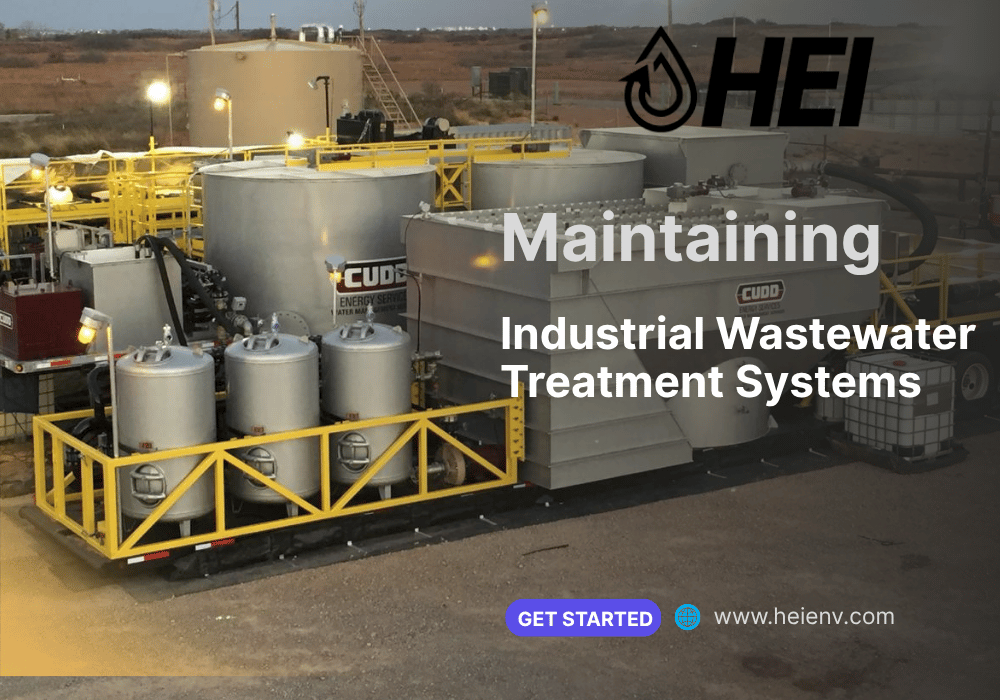
Establish regular inspection schedules for all equipment. Pumps, blowers, and mixers need routine checks and preventive maintenance. Replace worn parts before they fail.
Monitor treatment performance daily. Keep detailed records of flow rates, chemical usage, and effluent quality. Trends in these data often provide early warning of developing problems.
Train your operators thoroughly. Understanding how wastewater treatment works empowers your team to recognize abnormal conditions and respond appropriately.
Keep adequate supplies of chemicals and spare parts on hand. A shortage of treatment chemicals or a broken pump can quickly lead to compliance violations.
Consider service agreements with experienced professionals. Companies specializing in wastewater treatment systems can provide expert support, ranging from routine maintenance to emergency repairs.
The Bottom Line on Wastewater Management Systems
Industrial water treatment systems represent a significant investment, but they’re fundamental to responsible manufacturing. Understanding how these systems work helps you appreciate their value and ensures you’re positioned to make informed decisions about your facility’s wastewater management.
The right system, properly maintained, protects your operations from regulatory risk while demonstrating environmental stewardship. It can reduce your water consumption through reuse, lower your operational costs, and even generate revenue through resource recovery.
As environmental regulations continue to tighten and water scarcity becomes more pressing, industrial water treatment systems will only grow more critical. Facilities that invest in quality treatment infrastructure today are positioning themselves for long-term success.
Whether you’re planning your first treatment system or considering upgrades to existing infrastructure, partnering with experienced engineers who understand the intricacies of wastewater treatment systems ensures you get a solution that meets your needs today and adapts to tomorrow’s challenges.
Conclusion
Wastewater treatment systems are vital for manufacturing facilities that prioritize compliance, sustainability, and efficiency. These systems clean contaminated process water through several treatment stages to meet environmental regulations and protect ecosystems. Understanding how they work helps facilities make informed decisions about water management. Investing in a quality treatment system reduces costs, prevents penalties, conserves water, and enhances corporate responsibility. As environmental regulations become stricter and water resources scarcer, facilities with strong wastewater treatment infrastructure gain a lasting competitive advantage.
Frequently Asked Questions
How long do wastewater treatment systems last?
Typically, 15–25 years with proper maintenance. Pumps, filters, and membranes may need replacement every 5–10 years.
How much space does industrial wastewater treatment require?
Conventional systems may need 500–5,000 square feet. Compact technologies like MBR systems can reduce the footprint by 50–70%.
Can an industrial water treatment solution be automated?
Yes. Modern systems use SCADA and automated controls to monitor operations and adjust chemical dosing, reducing labor by 30–50%.
What happens if my wastewater treatment system fails?
Failures can lead to fines, compliance violations, or shutdowns. Backup equipment, preventive maintenance, and monitoring are essential.
Pingback: Smart Way to Pick an Industrial Wastewater Treatment Solution
Pingback: HEI Engineered Turnkey Systems for All Wastewater Treatment Project
Hey I know this is off topic but I was wondering if
you knew of any widgets I could add to my blog that automatically tweet my newest
twitter updates. I’ve been looking for a plug-in like this for
quite some time and was hoping maybe you would have some
experience with something like this. Please let me know if
you run into anything. I truly enjoy reading your blog and I
look forward to your new updates.